Jim Dome, AIA 
BIM Leader 

Building Information
Modeling (BIM)

Technology is transforming construction delivery and Barton Malow is leading the way. Building Information Modeling (BIM) is the use of software to simulate the construction and operation of your facility. The resulting data-rich models are used to extract and analyze information, aid in decision making, streamline scheduling, increase material cost accuracy, and reduce interferences during construction to avoid change orders.

If you believe BIM is a valuable tool to reduce change orders and to speed construction, you are correct. BIM has also proven to be a significant advantage to enhance facility performance.

“If I had to do it over again, I’d make sure everything is accessible to maintain our facility after construction,” a prospective client lamented after a recent renovation (not a Barton Malow project). “When we perform maintenance, we waste a lot of time due to interferences.” he added. For building owners, facility maintenance is a pressing concern.

How can BIM aid facility performance? BIM – 3D Building Information Modeling - simulates facility construction and operation. Working with project architects, we help clients determine their needs for optimal building performance.

BIM allows for user group input during design to minimize changes during construction and to promote a high-performing facility long after construction is complete.

Facility users should insist that all design and construction information is captured in a BIM model. With a BIM model you can see your facility in 3D miniature on a computer screen, exactly as it will be used. We encourage facility users to evaluate their work areas and incorporate their insights before construction begins. BIM models also provide consolidated and complete information for maintaining a building, including components to keep on hand, maintenance schedules, system specs and warranty terms. All systems are detailed in 3D, a big advantage for facility managers.

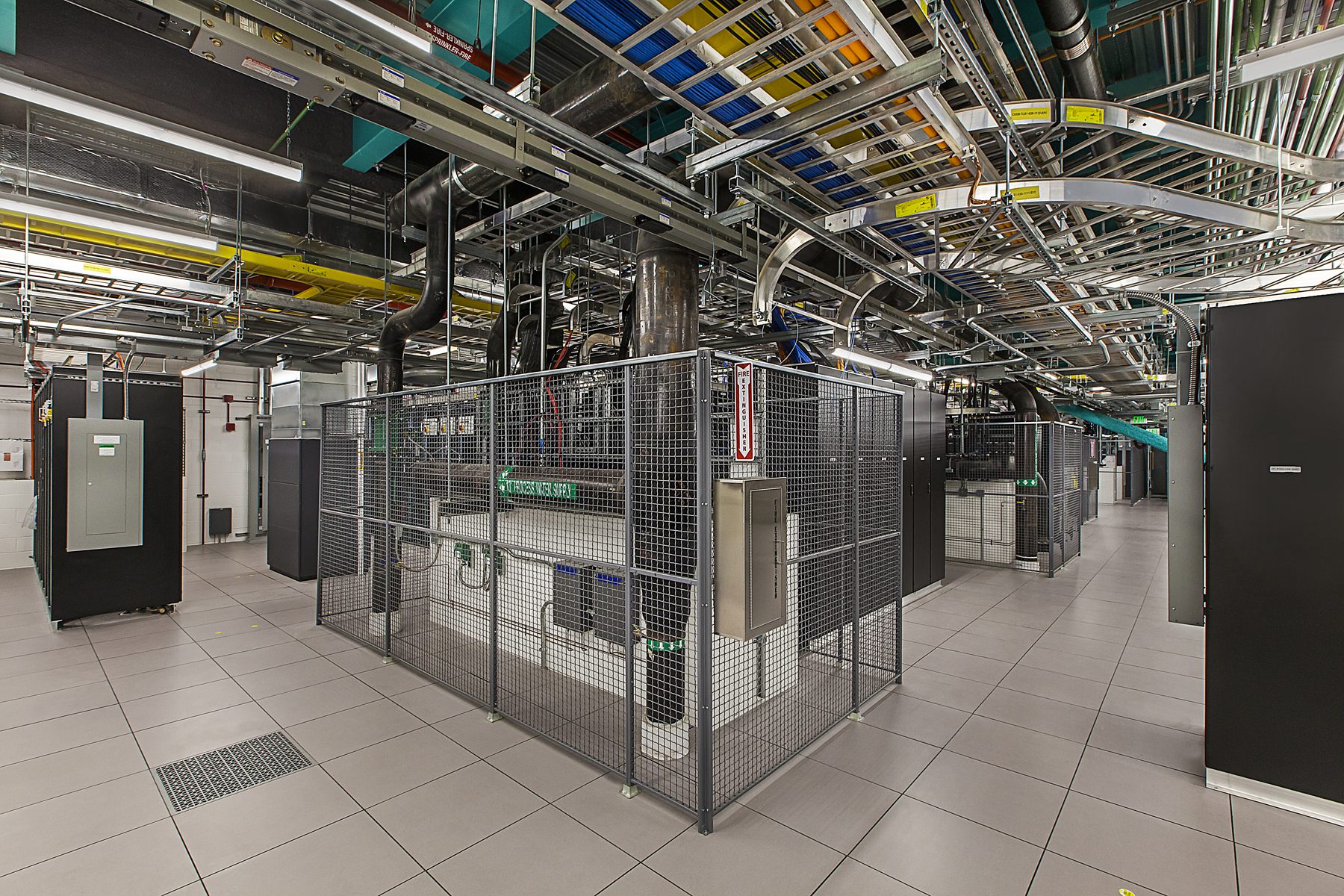
At Providence Park Hospital, 3D models showed alternative patient room layouts. Hospital user groups were asked for input regarding safety, patient well-being and overall design. After staff evaluations, the final design was selected to optimize care-giving and to speed recovery. In addition, above-ceiling utilities were configured for ease of maintenance. Medical and facility maintenance personnel benefited from BIM modeling review sessions.

It is wise to consider the future when building today. For automotive clients, there is an emphasis on energy-saving vehicles, which can translate to facility re-engineering. A client who has a detailed facility BIM model is able to make building modifications efficiently.

General Motors, among others, emphasizes sustainability to enhance energy efficiency and indoor air quality and to reduce waste. Advanced BIM models have the ability to denote facility elements that are LEED (Leadership in Energy and Environmental Design) compliant to help promote sustainability.

At Barton Malow, we believe the best use of BIM fosters building performance today and tomorrow.

 
BIM CASE STUDIES
UNIVERSITY OF VIRGINIA
SOUTH LAWN PROJECT
CENTRA HEALTH
LYNCHBURG GENERAL HOSPITAL
GWINNETT STADIUM
MINOR LEAGUE BASEBALL STADIUM


Need more information? Contact Jim Dome, AIA.
 
 
updated: December 29, 2009